How to Build an Effective Landscape Maintenance Routine
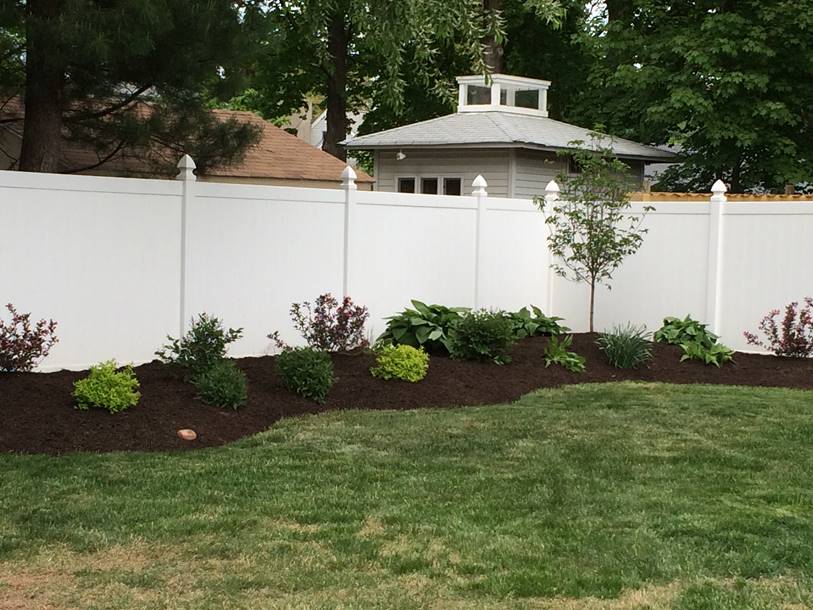

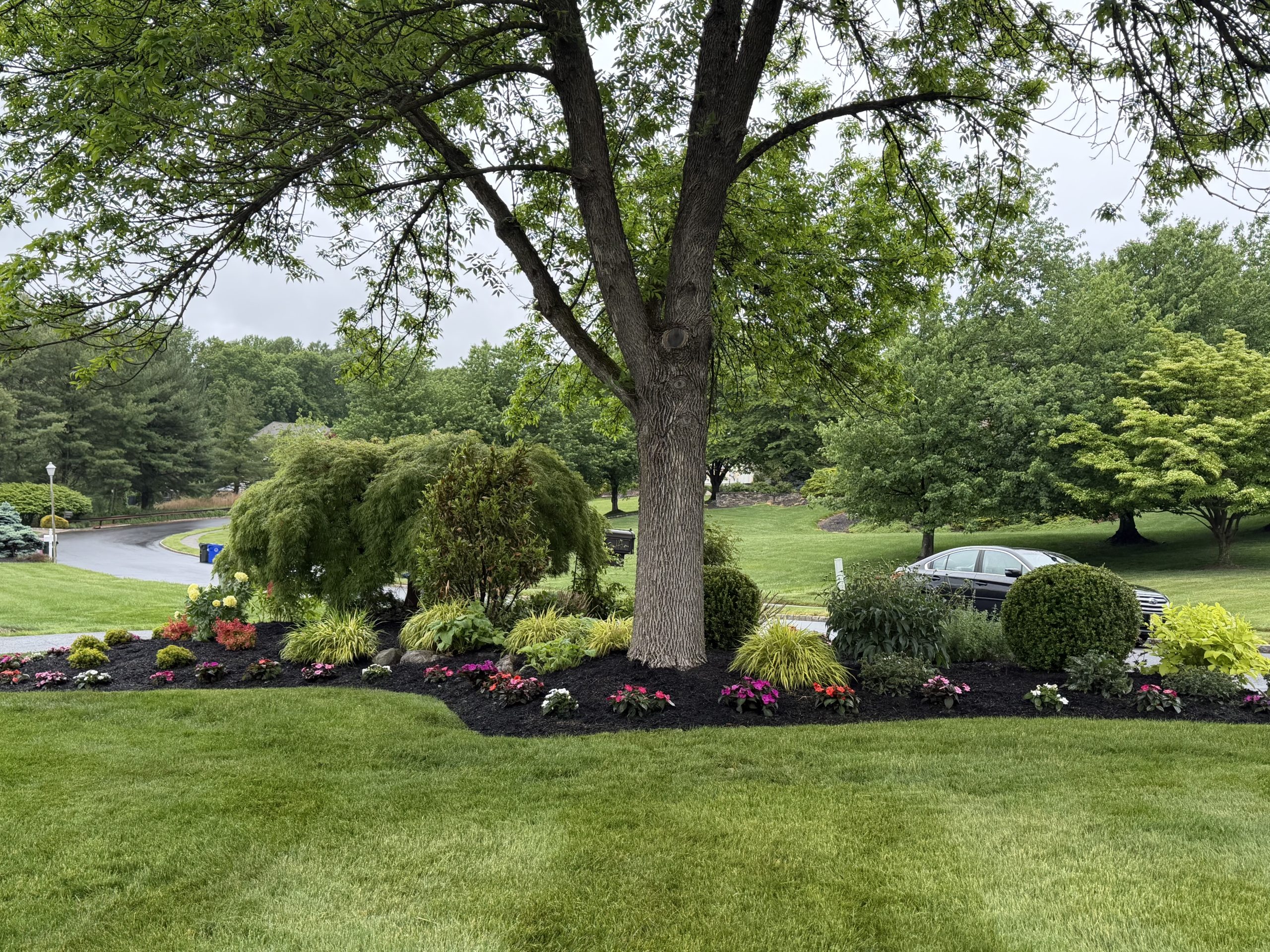
A healthy landscape rarely happens by accident. It is usually the result of small, timely decisions made over months and years, not one heroic weekend of pruning and mulch. The homeowners and property managers who get the best results tend to understand one thing early: landscape maintenance is a routine, not a rescue plan.
That distinction matters. A routine keeps lawns dense, shrubs balanced, irrigation efficient, and planting beds presentable without constant rework. A rescue plan, on the other hand, usually shows up after weeds have seeded, turf has thinned, branches have overgrown walkways, and irrigation has been running too long in the wrong places. By that point, the work is harder, more expensive, and much less satisfying.
An effective maintenance routine is not about doing more. It is about doing the right work at the right time, with enough consistency to stay ahead of problems. The best routines are simple enough to follow, flexible enough to adapt to weather and plant growth, and specific enough that nothing important slips through.
Start with the reality of your site
Before building any schedule, take an honest look at the landscape you actually have, not the one shown on a design plan from three years ago. Two front yards of the same size can need very different care. One may have full sun, sandy soil, thirsty annual color, and a slope that dries out fast. The other may have mature shade trees, compacted clay, and irrigation overspray that keeps beds too wet. A maintenance routine that works for one will fail on the other.
Walk the property slowly and make notes. Pay attention to turf condition, drainage patterns, sun exposure, wind, foot traffic, and the age of plantings. Mature shrubs need a different pruning approach than newly installed material. A young tree may need staking checks and structural training. An old one may need canopy clearance and routine inspection for deadwood. Landscape maintenance starts with observation more than action.
This is also the point where practical constraints should be faced directly. If the property gets only two maintenance visits a month, the routine has to reflect that. If the owner enjoys gardening but hates irrigation adjustments, build a system that reduces manual changes. If budget is tight, focus first on plant health, safety, and water management before purely cosmetic details.
Define what “effective” means for the property
People often say they want a low-maintenance landscape when they really mean one of three different things. Sometimes they want fewer labor hours. Sometimes they want a cleaner appearance between visits. Sometimes they want lower water and replacement costs. Those goals overlap, but they are not identical.
A routine works better when success is clearly defined. On a residential property, that might mean edges stay crisp, weeds never get tall enough to seed, shrubs do not cover windows, and irrigation runs only as needed. On a commercial site, it might mean sight lines remain open, entrances stay clean, turf looks even from the street, and seasonal color remains fresh without frequent replacement.
This sounds basic, but it prevents a lot of wasted effort. I have seen crews spend too much time fine-detailing ornamental beds while ignoring declining turf in a high-traffic front lawn. I have also seen homeowners prune every shrub into tight balls because it looked “tidy,” only to shorten bloom cycles and create dense outer shells with dead interiors. Effective landscape maintenance is not about maximum intervention. It is about smart intervention aligned with the purpose of the space.
Build the routine around recurring tasks, not random projects
The easiest way to lose control of a landscape is to treat every maintenance visit as a fresh decision. The more reliable method is to identify recurring tasks and anchor them to a repeating schedule.
At the core, most landscapes need attention in the same handful of areas: mowing and edging, irrigation monitoring, weed control, pruning, fertilization where appropriate, mulching, debris removal, and plant health checks. What changes is the frequency and timing.
Lawns, for example, respond best to regular mowing that follows growth rate rather than a rigid calendar. In spring, weekly mowing may be necessary. In midsummer, depending on grass type and climate, growth may slow and intervals may stretch. Cutting too short to “buy time” almost always creates stress, weakens roots, and opens the door to weeds.
Shrubs and perennials are another common source of confusion. Not everything should be clipped on every visit. Some plants benefit from selective thinning once or twice a year. Others need light shaping after bloom. Some ornamental grasses should be cut back hard at the end of winter, while evergreen structural plants may need only occasional correction. When every plant is treated the same, landscapes start to look forced and tired.
A good routine separates weekly, monthly, and seasonal work so the urgent tasks do not crowd out the important ones.
The rhythm that works in the real world
A maintenance schedule should match plant biology and site use, not wishful thinking. For most properties, a practical rhythm looks like this:
- Weekly or every other week: mow as needed, edge hard surfaces, remove visible weeds, pick up litter and fallen branches, and check for irrigation problems.
- Monthly: inspect plant health, adjust irrigation timing, monitor mulch depth, evaluate drainage issues, and note pruning needs before they become major corrections.
- Seasonally: refresh mulch, fertilize if soil and plant type justify it, prune at the proper time for each species, divide or cut back perennials, and inspect trees more carefully.
- Annually: review the whole landscape plan, replace plants that have repeatedly underperformed, reassess bed lines, and consider whether high-maintenance areas should be simplified.
- After unusual weather: inspect immediately after storms, heat waves, freezes, or heavy rain because damage is often easier to correct when caught early.
That framework is simple by design. It gives structure without pretending every month behaves the same. A wet spring can double weed pressure. A hot, dry summer can make irrigation checks the most important task on the property. Routine does not mean rigidity.
Irrigation is where routines succeed or fail
If I had to pick one maintenance category that most directly affects long-term landscape performance, it would be irrigation. Too little water stresses plants and thins turf. Too much water is often worse. It encourages shallow roots, disease pressure, nutrient leaching, and weed growth, and it wastes money quietly.
The problem is that irrigation failures are not always dramatic. A broken spray head is obvious. A poorly aimed rotor that wets the sidewalk instead of the root zone can go unnoticed for weeks. A bed that stays damp because of shade and low airflow may develop decline gradually, and people often misread that stress as a fertilizer problem when the real issue is excess moisture.
An effective landscape maintenance routine includes regular irrigation observation in real conditions. Run each zone long enough to see coverage. Watch for clogged nozzles, leaks, misting, runoff on slopes, and areas blocked by overgrown plant material. Seasonal adjustments matter too. A controller set for spring can be excessive in a cooler stretch of fall and inadequate during a summer heat event.
Soil type changes the equation. Clay holds water longer and https://anotepad.com/notes/pypx9f4p accepts it more slowly, so cycle-and-soak programming often works better than one long runtime. Sandy soil drains fast, which can require shorter but more frequent applications. Sun, wind, slope, and root competition from mature trees all complicate the picture. That is why irrigation should never be fully set-and-forget, even with a smart controller.
Weed control gets easier when timing improves
Weeds are one of the clearest examples of routine paying off. Hand-pulling five young weeds from a bed takes a minute or two. Clearing a bed after they have rooted deeply and gone to seed can take an hour. Miss that cycle a few times and you are no longer maintaining. You are reclaiming.
The strongest weed control routines combine mulching, regular scouting, and quick removal. Mulch helps, but only when used correctly. A thin, patchy layer will not suppress much, and a thick layer piled against stems can create its own set of problems. In most ornamental beds, a moderate depth that shades the soil while allowing air and water movement does the job well. Over time, mulch breaks down and improves soil, but that also means it needs periodic topping off rather than endless accumulation.
The biggest mistake I see is waiting until a bed looks obviously weedy from the street. By then, seed heads are often present. A better standard is to remove weeds while they are still easy to identify and before they become visible at a distance. This is especially true around hardscape edges, utility boxes, fence lines, and behind larger shrubs, where neglect tends to hide.
Prune for plant health and form, not just neatness
Pruning is where craftsmanship shows. Done well, it keeps plants healthy, proportionate, and attractive. Done poorly, it creates ongoing maintenance headaches.
The first question is always why the plant is being pruned. Is the goal clearance from a walkway, improved structure, deadwood removal, renewed flowering, or size control? Each reason suggests a different approach. Shearing every shrub into a uniform shape may produce a quick visual result, but it often increases future workload. Dense outer growth blocks light from the interior, leading to bare wood inside and a need for even more frequent shearing.
Selective pruning usually gives better long-term results. It opens the plant, preserves natural form, and can reduce the number of cuts needed over time. Timing matters too. Spring-flowering shrubs often set buds well before bloom, so pruning them at the wrong season can remove the display entirely. Fast-growing hedges may tolerate repeated trimming, while specimen shrubs generally deserve a more thoughtful hand.
Trees require even more judgment. Structural pruning on young trees can prevent expensive problems later, especially co-dominant stems or low branches that interfere with clearance. On mature trees, indiscriminate cutting can create stress, weak attachments, or decay entry points. If larger limbs are involved, or if the tree sits near structures or pedestrian areas, that work is better handled by a qualified arborist.
Soil and mulch deserve more attention than they get
A surprising amount of landscape performance comes down to soil conditions. Plants growing in compacted, poorly drained, low-organic-matter soil will struggle no matter how carefully they are watered. Conversely, healthy soil often forgives small maintenance mistakes.
You do not need elaborate testing for every property, but you do need awareness. If water sits after rain, roots may be starved for oxygen. If beds dry out within a day despite irrigation, the soil may be too coarse or root competition may be intense. If turf near sidewalks always declines, reflected heat and compacted foot traffic may be part of the issue.
Mulch helps moderate many of these stresses. It reduces surface evaporation, buffers soil temperature, and limits weed germination. But mulch cannot solve poor grade, chronic overwatering, or plants installed in the wrong place. I have seen too many struggling landscapes “treated” with another inch of mulch when the real problem was that the root flare was buried or irrigation coverage was uneven.
A maintenance routine should include periodic checks for grade changes, exposed roots, buried crowns, and compacted areas. Sometimes the most effective maintenance decision is not another treatment but a redesign of a trouble spot.
Adjust the routine by season, not just by date
Calendar-based routines are useful, but living landscapes respond to weather, daylight, temperature, and growth cycles more than to a date on paper. One spring may arrive early and push turf and weeds hard. Another may stay cool and slow everything down. The best maintenance routines respect those shifts.
What each season tends to demand
Spring often brings the highest workload because everything wakes up at once. Turf growth accelerates, weeds emerge quickly, irrigation systems need startup checks, and winter damage becomes visible. This is usually the time to reset edges, refresh beds, and get ahead of growth before it outruns the schedule.
Summer shifts the focus toward water management, mowing height, and stress observation. It is the season when over-pruning and scalp mowing do the most harm. Raising mowing height slightly, watching for dry spots, and avoiding unnecessary fertilizer during heat can prevent a lot of decline.
Fall is one of the most valuable maintenance windows, though many people underuse it. Soil remains warm, root growth continues, and cooler air reduces stress. This is often the right time for renovation work, selective planting, bed adjustments, and cleanup that sets up a smoother spring.
Winter, in milder climates, is not dormant in the way many assume. It can be the best time for structural pruning, tool maintenance, planning, and tackling improvements that are harder to manage during peak growth. In colder areas, winter is still useful for inspection, storm damage response, and preparing materials and priorities for the next active season.
Keep records, even if they are simple
Professional crews that consistently maintain strong-looking landscapes almost always document what they see. That record does not need to be elaborate. A notebook, a shared spreadsheet, or a property log can be enough. What matters is tracking recurring issues and decisions.
If a particular sprinkler zone keeps failing, write it down. If one bed always develops nutsedge in midsummer, note the pattern. If a shrub has been cut back three times and still blocks sight lines, that may be a design problem, not a maintenance problem. Records help distinguish one-off issues from chronic ones.
This is especially useful for larger properties or shared responsibilities. Without records, people rely on memory, and memory is unreliable when the season gets busy. One of the most common maintenance failures is repeating work that feels productive while postponing work that actually changes outcomes.
Match the routine to labor skill, not just labor hours
Not all landscape tasks are interchangeable. A crew member who can mow efficiently may not have the plant knowledge to prune flowering shrubs correctly. Someone who notices disease symptoms early can save significant replacement costs. Someone who understands irrigation hydraulics can solve a dry-spot complaint faster than repeated hand-watering.
That is why effective landscape maintenance is not purely a scheduling exercise. It is also about assigning the right work to the right level of skill. On many properties, labor hours are spent generously on visible repetitive tasks and too little on technical inspection. The result is a landscape that appears maintained at a glance but steadily declines underneath.
If you manage your own property, be realistic about what you can learn and what should be outsourced. Routine mowing and bed cleanup are approachable for many owners. Diagnosing root issues, correcting pruning structure in mature trees, or troubleshooting pressure imbalances in irrigation systems may not be. There is no inefficiency in bringing in specialized help when it prevents recurring damage.
Know when maintenance should give way to renovation
A routine can only carry a poorly planned area so far. Some parts of a landscape consume time because they were set up to struggle from the beginning. Maybe a thirsty annual bed sits in punishing reflected heat. Maybe a narrow turf strip between sidewalk and driveway dries out constantly and scalps easily. Maybe foundation shrubs were planted too close together and now need monthly trimming to avoid the windows.
In those cases, the most professional maintenance decision may be to change the landscape rather than keep servicing a weak setup. Replacing problem plants with more site-appropriate choices, widening beds, improving drainage, or converting a difficult turf area to groundcover can reduce labor permanently. Good maintenance routines are honest enough to identify when maintenance alone is no longer the answer.
That kind of judgment usually pays for itself. I have seen properties cut recurring labor by a meaningful margin simply by removing a few high-friction elements that demanded constant correction. There is nothing glamorous about that work, but it is often the move that makes the rest of the routine finally function.
A routine people actually follow
The best landscape maintenance plan is not the most detailed one. It is the one that survives a busy month, erratic weather, staff changes, and ordinary human inconsistency. If the routine depends on perfect timing and unlimited attention, it will eventually break down.
So keep it grounded. Define the standards that matter. Observe the site closely. Build around recurring tasks. Watch irrigation like a hawk. Prune with purpose. Use seasonal cues, not just dates. Document what repeats. And when a part of the landscape constantly fights back, question the design instead of blaming the routine.
That is how landscapes stay healthy without becoming exhausting. Not through constant intervention, but through steady, informed care that respects how plants grow and how properties are actually used. When landscape maintenance is approached that way, the work becomes more predictable, the results improve, and the landscape starts holding its quality between visits instead of collapsing the moment attention shifts elsewhere.
Majestic Mowing & Landscaping LLC
Phone number: +19733975532
FAQ About Landscape Maintenance
What is landscape maintenance?
Landscape maintenance is the ongoing care, cleaning, and upkeep of outdoor green spaces to keep them healthy, safe, and attractive.
Is $100 an hour too much for landscape work?
An hourly rate of $100 is not too much for specialized or professional landscape work, though it sits at the higher end of the standard pricing spectrum.
How much do landscapers charge for maintenance?
For professional landscaping maintenance, homeowners typically pay $100 to $410 per month for recurring services, or an hourly labor rate of $50 to $100 per hour per crew member.