Landscape Maintenance Services That Enhance Commercial Appeal
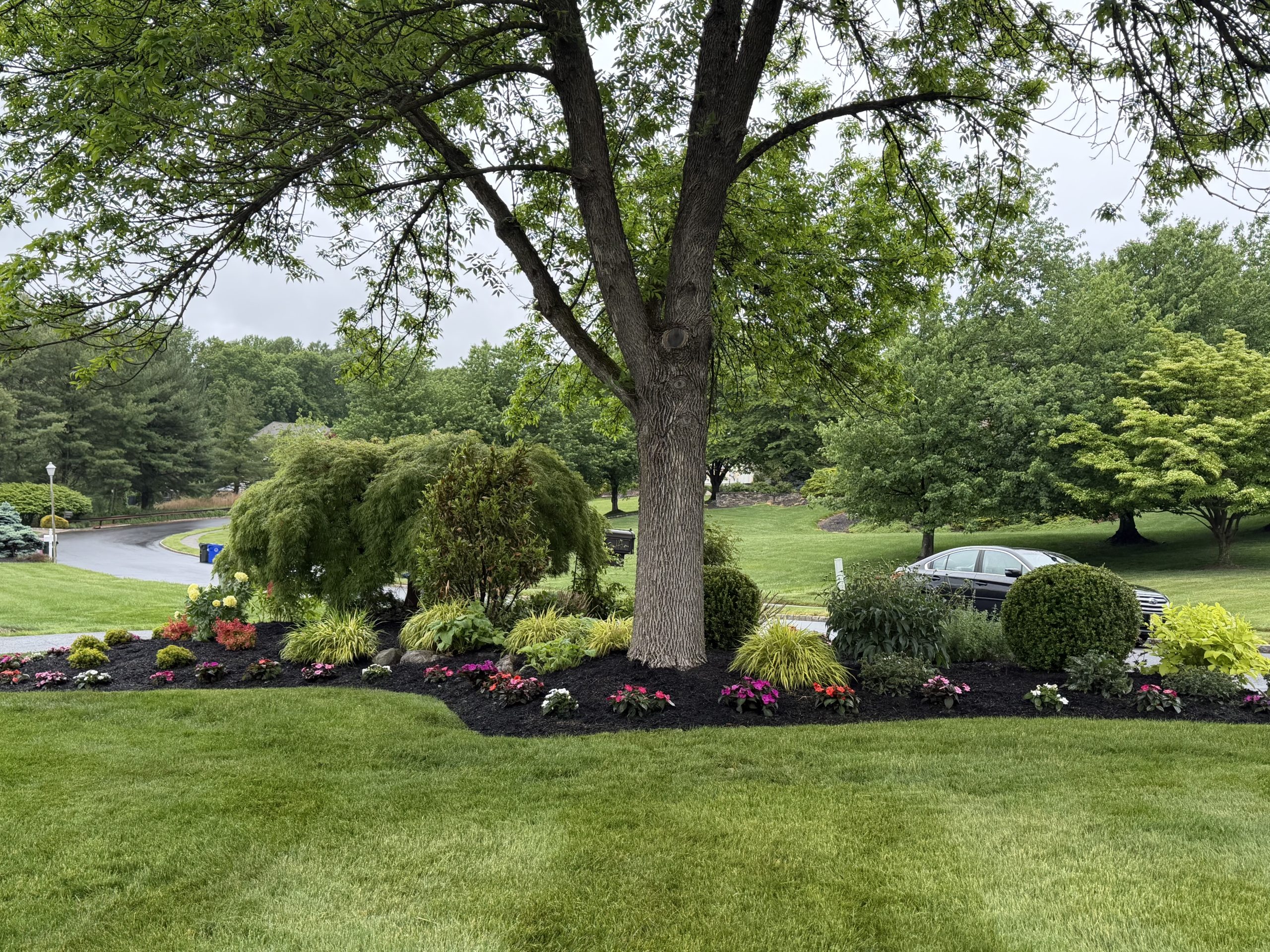

A commercial property starts communicating before anyone opens the front door. The parking lot, entry beds, turf edges, trees, irrigation heads, and even the condition of seasonal color all tell visitors what kind of operation they are about to deal with. A clean, orderly landscape suggests competence. A neglected one raises questions that property owners rarely want asked.
That is why landscape maintenance matters far beyond curb appeal. For office parks, retail centers, healthcare campuses, industrial sites, multifamily communities, and hospitality properties, exterior upkeep shapes perception, influences tenant satisfaction, and affects how long people want to stay on site. It https://maps.app.goo.gl/yt4eVTaFJanxjen28 also protects the investment sitting in the ground. Plants are assets, hardscape is expensive to repair, and irrigation mistakes can quietly drain budgets for months before anyone notices.
In practice, strong Landscape Maintenance is not just mowing grass and trimming shrubs. It is a year-round management discipline that balances appearance, plant health, safety, water use, labor efficiency, and seasonal timing. The best programs are not flashy. They are consistent, observant, and responsive. They make a property look polished without looking overworked.
Commercial appeal is built in small details
People tend to think of landscaping in broad strokes, such as green lawns, healthy trees, and a neat entrance. What shapes commercial appeal, though, is usually a series of smaller details handled well over time. Turf is not simply cut, it is cut at the right height for the season. Shrubs are not hacked back, they are pruned to maintain form and sightlines. Beds are not just mulched, they are edged cleanly so the property looks intentional rather than merely serviced.
A prospective tenant pulling into an office development notices more than they realize. They notice whether the monument sign is framed by healthy plantings or surrounded by weeds. They notice whether tree canopies are high enough to feel safe and open. They notice whether dead annuals are still sitting by the lobby in late season, which often signals deferred attention elsewhere.
On retail properties, the stakes are immediate. Exterior appearance affects dwell time and shopping mood. In hospitality, it influences first impressions before a guest meets staff. In healthcare, it can either add calm or create stress. In industrial settings, where visitors may expect function over beauty, a well-maintained landscape still signals operational discipline and pride.
I have seen two properties with nearly identical architecture produce very different reactions simply because one had crisp maintenance and the other looked tired. The better-performing site was not necessarily spending dramatically more. It had a tighter scope, better timing, and stronger on-site supervision.
Turf care sets the tone
Turf remains the dominant visual surface on many commercial sites, which means it can elevate or undermine everything around it. Healthy grass reads as clean and cared for. Thin, scalped, or weed-filled turf makes even a newer property look worn.
Good commercial turf care starts with realistic expectations. A high-traffic retail frontage and a low-use corporate back lawn should not always receive the same treatment. Soil conditions, irrigation coverage, sun exposure, and foot traffic matter. So does regional climate. Cool-season grass in the Northeast and warm-season turf in the South require different mowing heights, fertility timing, and recovery plans.
One common mistake on commercial sites is mowing too short because it looks tidy on the day of service. It often backfires. Scalped grass loses resilience, exposes soil, invites weeds, and turns brown faster under heat stress. A slightly higher cut, maintained consistently, usually gives a fuller, healthier appearance over time. Clients do not always ask about mowing height, but they definitely notice the result.
Edging deserves equal attention. Turf creeping into sidewalks and beds makes a property look sloppy faster than most owners expect. Clean edges create visual order at a relatively modest cost. On high-visibility sites, that alone can transform the impression of the grounds.
Aeration, overseeding where appropriate, and targeted weed control are also part of the equation. Commercial turf that is expected to perform year-round cannot be managed by mowing alone. It needs periodic recovery work. Skipping those services may save money in one quarter, but the site usually pays for it in weaker color, thinning coverage, and more visible bare patches later.
Shrub and tree care add structure and maturity
Trees and shrubs do most of the long-term visual heavy lifting in commercial landscapes. They provide scale, frame buildings, soften hardscape, and create a sense of permanence. But they only do that well when maintenance teams understand plant habit, pruning cycles, and the difference between shaping and shearing.
Too many commercial properties suffer from what crews sometimes call “green meatball syndrome.” Every shrub gets clipped into the same rounded shape, regardless of species, bloom cycle, or intended design. It is fast, uniform, and often damaging. Flowering shrubs lose buds, hedges outgrow their space awkwardly, and plants develop bare interiors from constant surface shearing.
Skilled pruning is more selective. It preserves the natural form where that matters, controls size without stressing the plant, and maintains visibility around entries, windows, signs, and drive aisles. On a commercial property, pruning also intersects with safety. Low branches over parking spaces, obstructed security cameras, or plantings blocking pedestrian sightlines can all become management issues.
Tree care deserves special attention because deferred pruning costs compound. A young tree trained properly is less likely to need aggressive corrective work later. Deadwood removal, canopy lifting, structural pruning, and monitoring for disease or storm damage should be part of a serious maintenance program, especially on campuses and large mixed-use sites. Mature trees add enormous value to a property’s image, but only when they are safe and healthy.
I have seen property managers hesitate to budget for arboricultural work because the trees still “look fine.” Then a split limb appears after a summer storm, or a sign is suddenly hidden behind a canopy that expanded gradually over two years. Trees change slowly until they do not. Routine inspection prevents expensive surprises.
Seasonal color can sharpen a brand, if it is managed properly
Seasonal color has a different role than turf or shrubs. It is less about permanence and more about energy. At entrances, leasing offices, clubhouse areas, restaurants, and hospitality properties, well-designed annual rotations can make a site feel active and current.
This is one area where commercial appeal and commercial judgment need to stay aligned. Seasonal flowers can be striking, but they are also labor-intensive and unforgiving. Poorly maintained color beds collapse quickly. Spent blooms, irrigation stress, inconsistent deadheading, and underperforming varieties become visible almost immediately.
The best seasonal color programs are focused rather than scattered. Instead of placing annuals in every available bed, many successful properties concentrate color at high-impact points such as the main sign, primary pedestrian entry, outdoor seating area, and key view corridors. That approach keeps costs under control while delivering a stronger visual effect.
Plant selection matters as much as placement. A site exposed to reflected heat from pavement needs tougher material than a shaded courtyard. If the maintenance budget cannot support frequent replacement and grooming, a restrained palette of durable varieties often performs better than a more elaborate design. Commercial landscapes are not judged by ambition. They are judged by whether they still look good six weeks later.
Irrigation is where appearance and cost control meet
If there is one system that quietly determines the success of a landscape maintenance program, it is irrigation. Watering problems rarely stay hidden. They show up as brown turf along curbs, fungus in oversaturated beds, staining on hardscape, runoff into parking lots, and dead plants in the exact places visitors notice first.
Commercial properties often have older irrigation systems that have been patched over the years. Heads settle, nozzles break, spray patterns drift, valves fail, and controllers stop matching real site conditions. A property may be overwatering one zone and underwatering the next. Without regular audits, crews end up chasing symptoms with plant replacements and spot repairs rather than solving the underlying issue.
A good maintenance provider pays close attention to irrigation scheduling, not just hardware. Weather shifts, seasonal daylight changes, water restrictions, and plant establishment periods all affect how much and how often a site should be watered. What worked in spring can be wasteful or harmful by midsummer.
There is also a branding element here that owners sometimes overlook. Irrigation overspray on walkways and building entries gives a property a careless look. So do pop-up heads spraying parked cars or rust stains forming beneath leaking fixtures. Water management is not only an agronomic concern. It is a presentation issue.
On larger campuses, smart controllers and flow monitoring can improve efficiency, but technology does not replace field observation. A sensor may flag a high-flow event, but someone still needs to walk the site, inspect the valve box, and understand whether the issue is a break, a stuck zone, or a controller error. Good Landscape Maintenance combines system data with experienced eyes.
Bed maintenance creates the finished look
Planting beds are where landscapes tend to age in public view. Mulch fades, weeds emerge, groundcovers spill, debris accumulates, and irrigation leaks are often easiest to spot there. Because beds frame entries and facades, even minor decline can make a property look behind on maintenance.
Fresh mulch has obvious visual value, but depth and timing matter. Too little mulch looks thin and unfinished. Too much can smother roots, trap moisture against trunks, and create problems that are expensive to correct. On commercial sites, a modest, even layer applied at the right time usually performs best. Color consistency across the property also matters more than many people think. Patchy or mismatched mulch makes a site look as if service has been piecemealed.
Weed management should be proactive rather than reactive. Once weeds seed out in high-visibility beds, crews spend far more time hand-pulling and touching up than they would have spent preventing the issue. Bed lines also need regular definition. A sharp edge between turf and mulch communicates care in a way that few other low-cost tasks can match.
Litter removal belongs in this conversation too. Landscapes on commercial properties collect windblown debris faster than residential sites, especially near roads, loading areas, and parking aisles. A bed full of healthy plants can still look neglected if it is holding cups, wrappers, or fallen branches. Maintenance teams that do a quick visual pickup during each visit protect the appearance of the whole property.
Hardscape, sightlines, and safety are part of the landscape brief
Commercial grounds are not judged only by plant quality. People experience the whole exterior environment at once, which means hardscape condition, pedestrian flow, and visual clarity all shape commercial appeal.
Maintenance crews play a practical role here. Overgrown shrubs can hide curbs. Low tree limbs can obscure signage. Algae on shaded walks can become slippery. Root heave can lift pavement over time. Drain inlets clogged with leaves lead to ponding that makes a site look poorly managed and, in some cases, creates liability.
A polished property feels easy to navigate. Drivers can see monument signs. Pedestrians can move from parking to entry without brushing through plant material. Security lighting reaches the ground rather than disappearing into dense canopies. Outdoor seating areas feel clean and open. None of that happens by accident. It comes from maintenance scopes that account for safety and usability, not just horticulture.
For healthcare and senior living properties, this point is especially important. Exterior spaces should feel restorative, but they also need predictable clearance, non-obstructed paths, and controlled plant growth around handrails, benches, and drop-off zones. In retail, sightlines into storefronts matter. In multifamily, the relationship between landscape and lighting strongly affects whether residents feel secure at night.
The strongest programs are seasonal, not static
A mistake I often see is treating maintenance as a flat, year-round routine. Commercial landscapes do not stay still, and service should not either. The work that improves appearance in early spring is different from the work that protects it in late summer.
Spring is often about cleanup, edging, fresh mulch, irrigation startup, turf recovery, and getting beds presentable before leasing activity or peak customer traffic. Summer shifts toward monitoring stress, adjusting water, deadheading seasonal color, managing growth, and responding quickly to heat-related decline. Fall brings leaf management, cutbacks where appropriate, late-season fertilization depending on region, and preparation for winter. In colder climates, snow planning and winter damage prevention also enter the picture.
What matters is not just having a seasonal calendar, but matching labor intensity to visibility and plant need. A corporate headquarters may require immaculate front-entry attention during board meeting season. A retail center may need stronger weekend presentation during holiday traffic. A hotel hosting events may prioritize outdoor spaces at certain times of year. Commercial appeal is tied to operations, and maintenance should adapt accordingly.
Choosing services based on property type
Different commercial properties should not all buy the same package. The strongest maintenance plans reflect how the site is used, who sees it most, and where visual standards matter most.
Here are five examples of how needs often differ by property type:
- Office parks typically benefit from consistent turf quality, formal pruning, and polished entry sequences that support leasing and tenant retention.
- Retail centers usually need sharper litter control, stronger seasonal color at focal points, and close attention to sightlines around signs and storefronts.
- Industrial facilities often prioritize durability, safety clearance, drainage, and a clean, disciplined appearance rather than ornamental intensity.
- Multifamily communities depend heavily on weekly presentation, pedestrian comfort, and amenity-area landscaping that residents experience up close.
- Hospitality and healthcare properties often require the highest detail level around entrances, courtyards, drop-off zones, and guest-facing outdoor spaces.
The practical takeaway is simple. A site’s maintenance budget should follow its exposure and use patterns, not a generic template. Spending evenly across a property is not always the smartest move. Concentrating effort where impressions form can produce better results without inflating total cost.
What separates average vendors from strong maintenance partners
Most property managers have worked with both kinds of providers. One shows up, cuts everything on schedule, and leaves a property that is acceptable most of the time. The other notices irrigation drift before the turf browns out, recommends pruning before signage disappears, and flags declining material before replacement becomes urgent. That second provider is not just performing tasks. They are managing the landscape.
Communication is usually the dividing line. Strong partners document issues, explain recommendations clearly, and understand the owner’s priorities. They know whether the property is preparing for a tenant tour, trying to reduce water use, or recovering from budget cuts. They also understand the trade-offs. If a client wants to reduce service frequency, a good partner explains which standards are most likely to slip first. If a client wants the site to look premium year-round, they tie that expectation to labor, horticultural inputs, and response times.
Site supervision matters just as much. Commercial grounds can deteriorate quickly when crews change often and no one is checking quality consistently. A knowledgeable account manager or field supervisor provides continuity, catches drift in standards, and makes sure the maintenance plan survives real-world conditions such as storms, staffing changes, and seasonal surges.
Budget pressure is real, but deferred care is expensive
Every commercial property works within constraints. Owners have capital plans, managers have operating budgets, and landscaping competes with many other line items. Still, trimming maintenance without understanding the likely impact often creates a false economy.
The most common short-term cuts are fewer bed visits, reduced pruning cycles, delayed mulch, lower irrigation oversight, and fewer enhancement services such as aeration or seasonal color changes. Some of those cuts are reasonable if made thoughtfully. Others simply move cost into the future. Shrubs grow out of scale, weeds spread, turf thins, and plant replacement costs rise. Worse, the overall appearance of the property starts to feel uneven. That hurts leasing, customer impression, and tenant confidence long before a balance sheet captures it.
A more disciplined approach is to identify the areas where maintenance quality most affects public perception and protect those first. Main entries, monument signage, leasing offices, customer-facing walkways, and amenity spaces usually belong in that category. Lower-visibility areas can often tolerate a leaner service standard, at least temporarily, without materially changing the property’s image.
When clients ask where the best return comes from, the answer is usually not one flashy enhancement. It is consistency across core maintenance functions. Reliable mowing, sharp edges, healthy irrigation, proper pruning, clean beds, and seasonal responsiveness create the kind of exterior quality people trust.
A practical way to evaluate your current grounds
If a property owner or manager wants to know whether their landscape maintenance program is truly enhancing commercial appeal, a simple site walk can reveal a lot. Look at the property the way a first-time visitor would, starting at the street and moving toward the main entrance. Then pay attention to a few key signals:
- Are the highest-visibility areas clearly better maintained than the rest of the site, in a deliberate way rather than by accident?
- Do turf edges, bed lines, and pruning cuts look crisp, or does the property feel blurred around the margins?
- Are there visible irrigation symptoms such as overspray, runoff, brown zones, or stressed seasonal color?
- Do trees and shrubs support safety, signage, and visibility, or are they beginning to interfere with them?
- Does the landscape look seasonally current, or does it appear to be carrying last month’s work into this month’s expectations?
That kind of walk often surfaces an important truth. Commercial landscapes rarely fail all at once. They lose appeal by degrees. A missed pruning cycle here, a weak irrigation zone there, a tired entry bed left too long, and the property starts sending a message no owner intended.
The landscape outside reflects the business inside
People notice exterior care because it feels like evidence. A commercial property with strong Landscape Maintenance suggests standards, responsiveness, and stability. It tells tenants that management pays attention. It tells customers the place is active and cared for. It tells investors and visitors that details are not being ignored.
The reverse is also true. Neglected grounds make people wonder what else is being deferred.
That is why landscape maintenance services matter so much in commercial settings. They do not just preserve plants. They shape first impressions, support operations, and protect asset value. When the work is done with judgment, timing, and consistency, the result is not simply a prettier property. It is a more credible one.
Majestic Mowing & Landscaping LLC
Phone number: +19733975532
FAQ About Landscape Maintenance
What is landscape maintenance?
Landscape maintenance is the ongoing care, cleaning, and upkeep of outdoor green spaces to keep them healthy, safe, and attractive.
Is $100 an hour too much for landscape work?
An hourly rate of $100 is not too much for specialized or professional landscape work, though it sits at the higher end of the standard pricing spectrum.
How much do landscapers charge for maintenance?
For professional landscaping maintenance, homeowners typically pay $100 to $410 per month for recurring services, or an hourly labor rate of $50 to $100 per hour per crew member.